Our expertise
Expertise in Salivary Glands
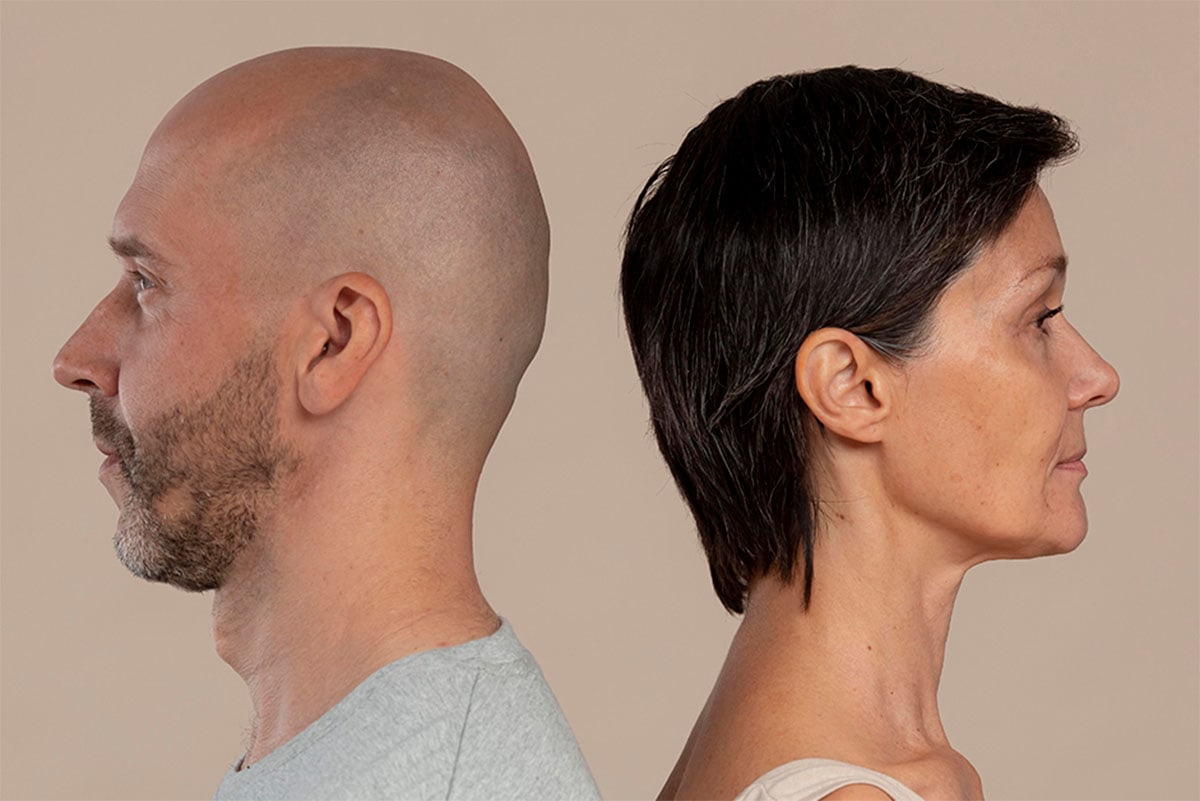
Salivary glands can be affected by various pathologies requiring specialized care. Dr. Bouguila masters all surgical techniques to treat conditions of the parotid, submandibular and sublingual glands. More than 300 salivary procedures, including more than 150 parotidectomies, with 98% nerve preservation and more than 50 sialendoscopies performed.
Key points
What makes the difference
Precise Diagnosis
Complete clinical evaluation, specialized imaging and biopsy if necessary for an accurate diagnosis.
Conservative Surgery
Techniques maximally preserving glandular function and avoiding nerve complications.
Specialized Follow-up
Attentive post-operative surveillance and adapted functional rehabilitation.
Pathologies Treated
Salivary Lithiasis
Calculi obstructing salivary ducts causing recurring pain and swelling of the glands.
Chronic Infections
Chronic and recurring sialadenitis sometimes requiring surgical treatment.
Benign Tumors
Pleomorphic adenomas, Warthin's tumors and other benign tumors of the salivary glands.
Malignant Tumors
Carcinomas and other malignant tumors requiring specialized oncological management.
Sjögren's Syndrome
Autoimmune disease affecting the salivary and lacrimal glands with chronic dryness.
Trauma
Traumatic injuries to the glands and salivary ducts requiring surgical repair.
Surgical Techniques
Sialendoscopy
Minimally invasive technique allowing exploration and treatment of ductal pathologies via endoscopic approach.
- Minimally invasive technique
- Gland preservation
- Rapid recovery
- No visible scar
Parotidectomy
Partial or total removal of the parotid gland with facial nerve preservation and reconstruction techniques.
- Facial nerve preservation
- Complete tumor excision
- Conservative techniques
- Optimal functional results
Submandibulectomy
Removal of the submandibular gland via cervical approach with preservation of important nerve structures.
- Discreet approach
- Nerve preservation
- Definitive treatment
- Low morbidity
Ductal Repair
Reconstruction of salivary ducts damaged by trauma or surgery using microsurgical techniques.
- Functional restoration
- Microsurgical techniques
- Prevention of complications
- Lasting results
Your journey
Care pathway
Each step is designed for your comfort and safety.
It is the formation of a calculus in the duct of a salivary gland, causing pain and swelling at mealtimes (salivary hernia). It mainly affects the submandibular gland.
Yes, if the calculus is located in the duct, a sialendoscopy or endobuccal incision may be sufficient. If the calculus is in the gland, removal is necessary.
Other Solutions
View AllCleft lip and palate
Comprehensive management of cleft lip and palate in children and adults. Advanced surgical techniques to restore anatomy and function with optimal aesthetic and functional results.
Learn more
Orthognathic surgery
Surgical correction of jaw deformities to improve dental occlusion, masticatory function and facial aesthetics. Modern techniques with 3D planning for optimal results.
Learn more
Facial traumatology
Specialized management of fractures and facial trauma. Modern repair techniques with restoration of function and aesthetics for optimal return to normality.
Learn more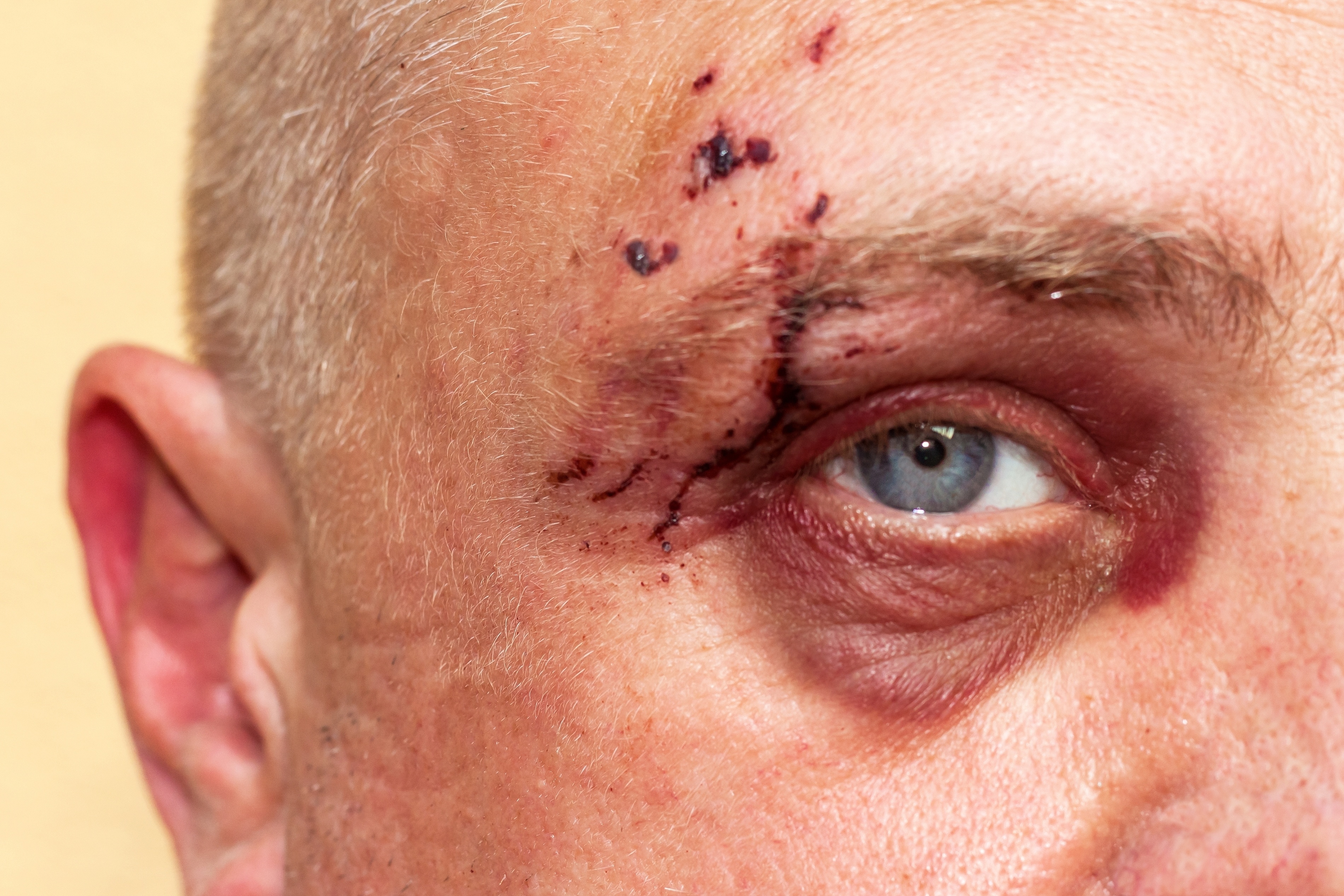
Implant and pre-implant surgery
Bone preparation and placement of dental implants to restore masticatory function and aesthetics. Modern bone grafting and implantology techniques for durable and natural results.
Learn more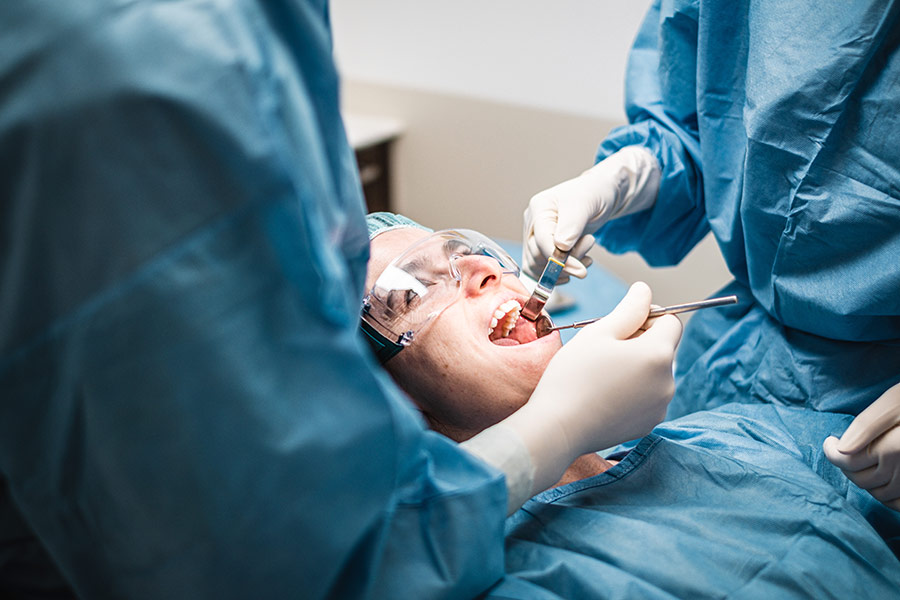
Maxillofacial oncology
Specialized management of benign and malignant tumors of the face, mouth and jaws. Multidisciplinary treatment with surgery, radiotherapy and chemotherapy for optimal results.
Learn more